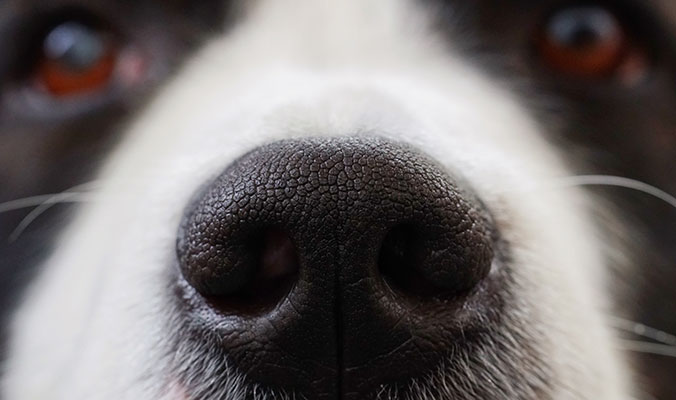
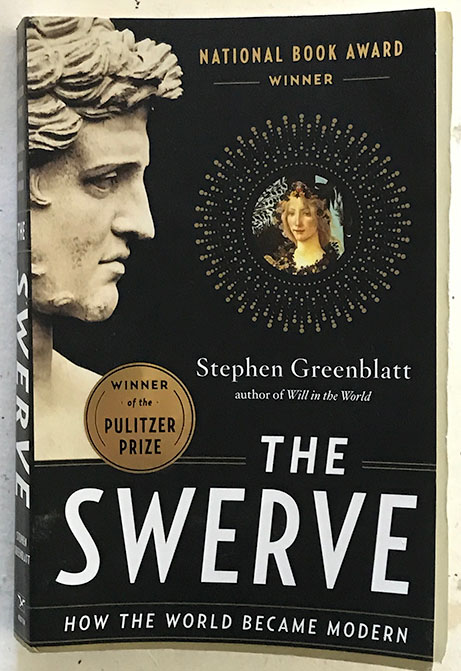
 In 1417, Poggio Bracciolini, the protagonist of Stephen Greenblatt’s remarkable book, The Swerve, discovered a poem, On the Nature of Things, written 1,500 years earlier by Titus Lucretius Carus (99 BCE – 55 BCE), who was virtually unknown. This poem is his only...
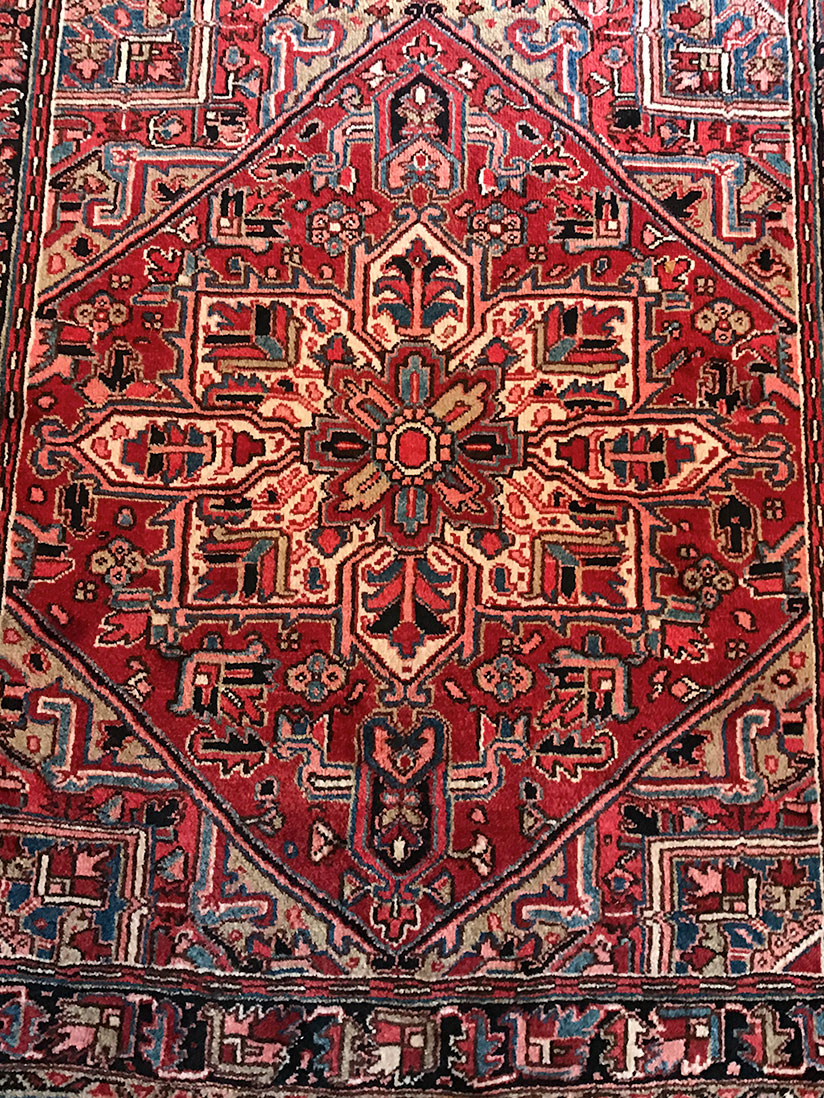 My wife Lona protects me at social gatherings from my mild prosopagnosia – difficulty in recognizing faces – by greeting friends and acquaintances by their name as soon as we meet them. I’m often uncertain of someone’s identity, even if I know him or her rather well,...
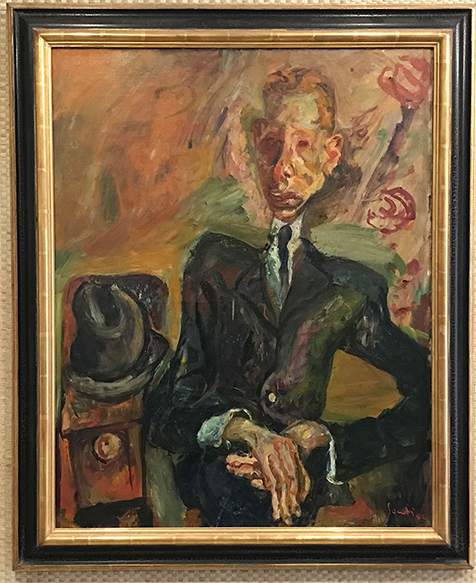 Although I marvel at creative technical achievements – a paper clip, a computer, an airplane – and appreciate how multitudes, including me, benefit from them, I am more personally drawn to creative arts – visual, written, musical – which are directed to individuals...
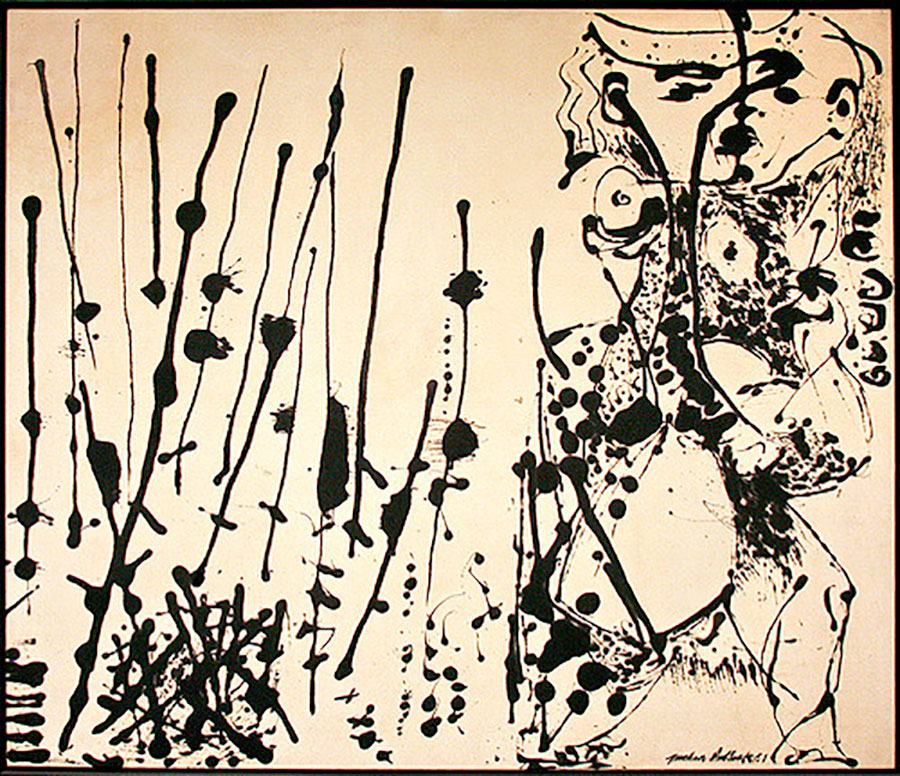 Third in a series on Creativity Last week, I brought up the importance of authenticity for any creative endeavor – the voice of a writer, the idea of a scientist or the brush of an artist – and stressed the difficulty at times to be certain if a piece of art is...
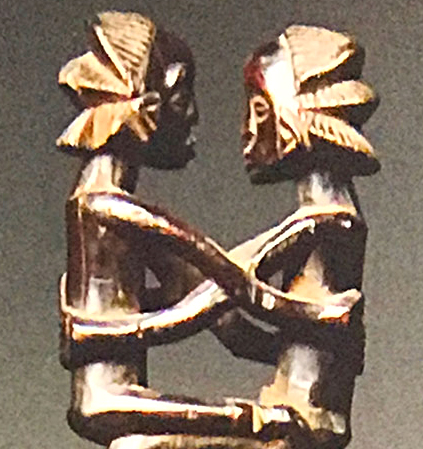 Part 2 of a series on Creativity: A friend looked at his wristwatch as we were finishing lunch. “1:20,” he said, “I still have some time before I have to leave.” “What a beautiful watch!” I said, more impressed with his Patek Phillipe than with the time. “Thanks,” he...
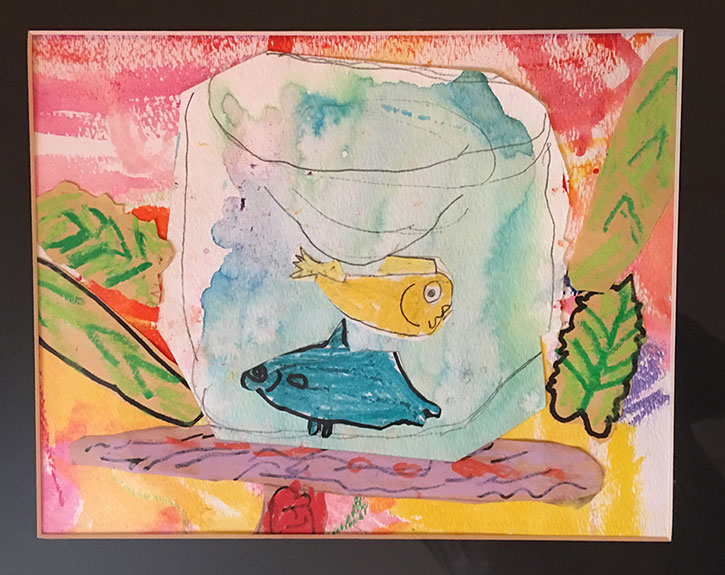 “I hope not!” said my friend when I asked if her artistic 9-year-old grandson was taking art lessons. His pictures, especially of animals, showed maturity belying his young age, equal even to many I’ve seen by professional artists. But what caught my attention was...