On April 17 next week, Papa’s birthday, I will be at the Colburn School of Music in Los Angeles to see a preview of the new documentary of my father: The Cellist: The Legacy of Gregor Piatigorsky, by Murray Grigor and Hamid Shams. The movie will be an important...

Joram Piatigorsky
Joram turned to writing following a successful career in science. To his surprise, the two have a lot in common. Joram's latest publication is a collection of short stories, Notes Going Underground. Additional publications include The Open Book and Other Tales of Love and Yearning (short stories), Jellyfish Have Eyes (novel), Gene Sharing and Evolution:
The Diversity of Protein Functions (non-fiction), and The Speed of Dark, a Memoir (non-fiction).
More Posts from Joram
Diversity in Inuit Art
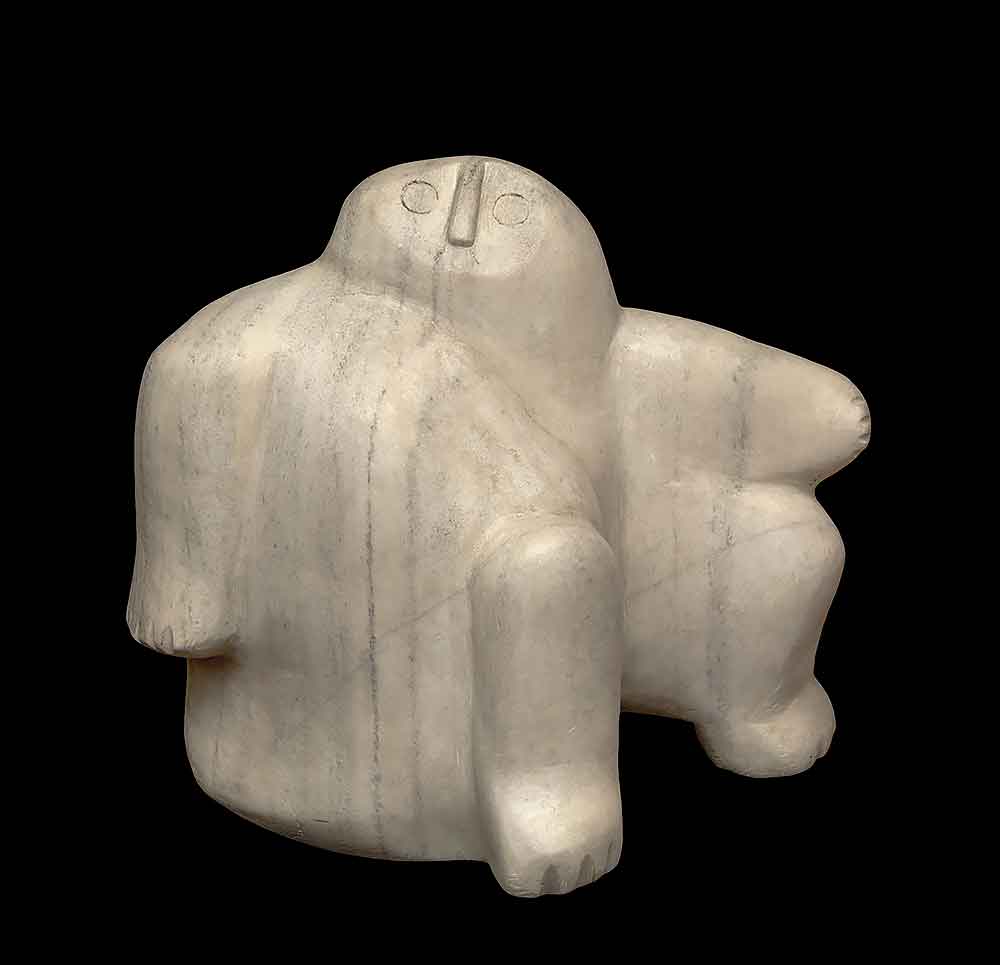
Despite all originating in the frozen Artic, I think it’s fair to say that diversity is one of the defining elements of Inuit art. Yes, it is possible to see many sculptures on the same subject, such as caribou, family or shamanic beliefs. How these topics are depicted, however, are as individualistic as the artists. Take a look and decide if you agree with me.
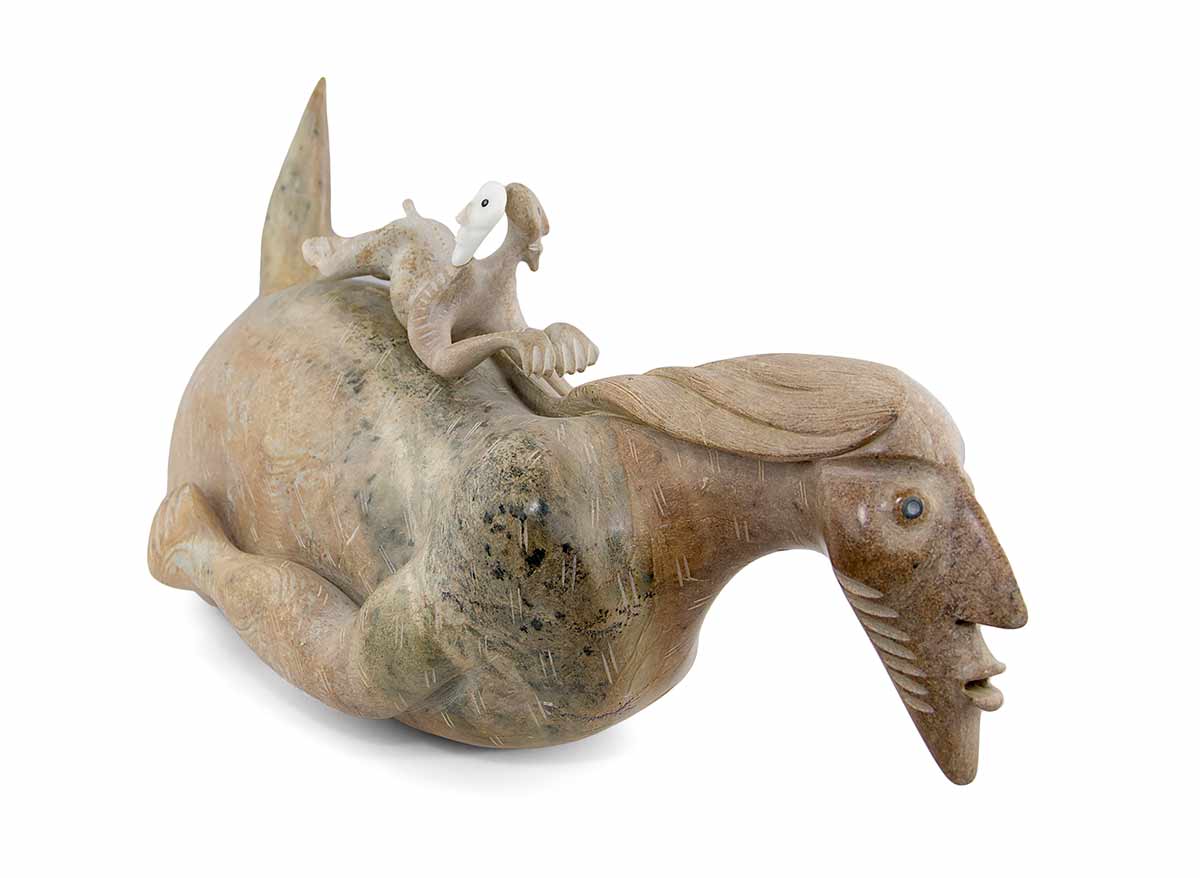
The Inuit Sedna
Many Inuit sculptures depict animals and lifestyle in the Arctic, which are easy subjects to comprehend within our experience. We are familiar with polar bears, seals, birds and other species, as well as with common activities, such as hunting, giving birth, family life and the like. However, myths that are foreign to our experience also a major focus of Inuit art. The most widespread Inuit myth is that of the Sedna or mermaid (part woman, part fish), who was Goddess of the Sea.