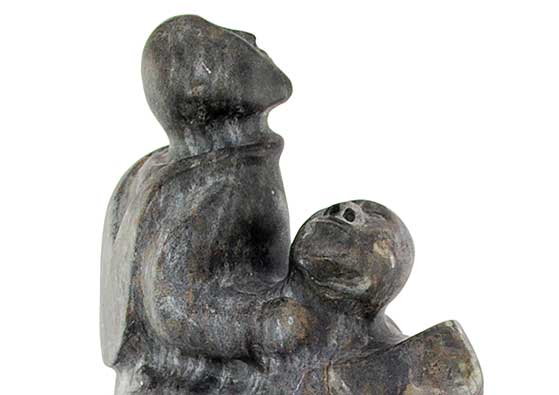
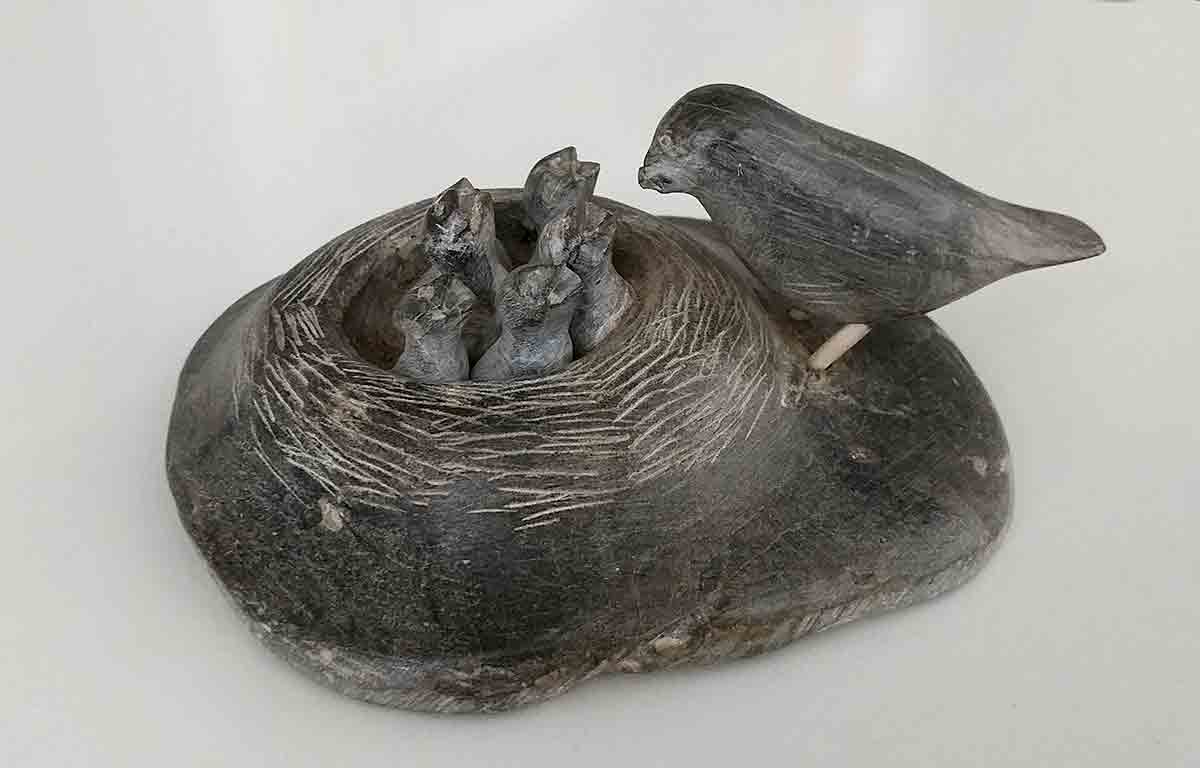
Surviving the harsh Arctic conditions and the paucity of social safety nets put a wedge between self-absorption and requirements for survival. The slideshow presented in this post features Inuit sculptures from my collection that portray strikingly, as only art can do, how Inuit coped with death.
Joram Piatigorsky
Joram turned to writing following a successful career in science. To his surprise, the two have a lot in common. Joram's latest publication is a collection of short stories, Notes Going Underground. Additional publications include The Open Book and Other Tales of Love and Yearning (short stories), Jellyfish Have Eyes (novel), Gene Sharing and Evolution:
The Diversity of Protein Functions (non-fiction), and The Speed of Dark, a Memoir (non-fiction).
More Posts from Joram
Upik Gets Married!
In my last blog I stressed the centrality of Inuit families for survival in the harsh Arctic. Freezing conditions, lack of social services and isolation made division of labor for essential tasks within the family a matter of life and death. Yet, as unlikely as it...
Families and Groups in Inuit Art
Faced with the harsh conditions in the Canadian Artic, the Inuit’s very existence is dependent upon family and community. Food, proper shelter and social safety networks – critical for life in any culture – are scarce for the Inuit. Children are necessary to maintain the family – to hunt and fish among other supports. Larger social groups working together are also key to survival. In short, individuality submits to family and collective welfare.
So it’s not surprising that family and the larger community is a popular theme in Inuit art. What may surprise you is the very different approaches the artists have taken.