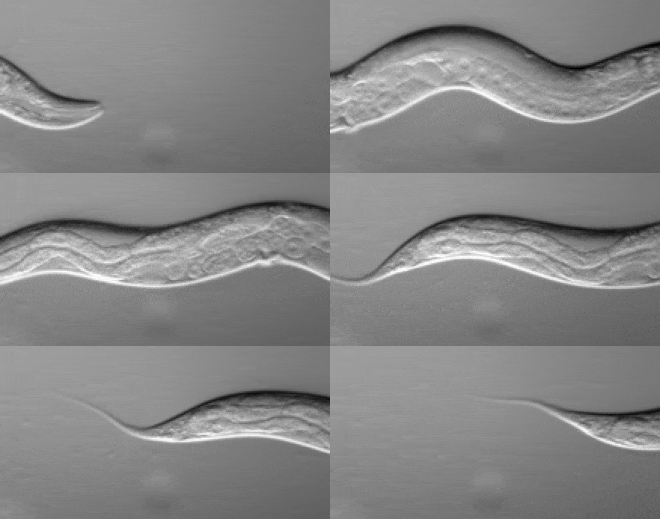
Bob Goldstein captured the C. elegans in action. Learn more about this worm.
Bob Goldstein captured the C. elegans in action. Learn more about this worm.
[fusion_builder_container hundred_percent="no" hundred_percent_height="no" hundred_percent_height_scroll="no" hundred_percent_height_center_content="yes" equal_height_columns="no" menu_anchor="" hide_on_mobile="small-visibility,medium-visibility,large-visibility"...

[fusion_builder_container hundred_percent="no" equal_height_columns="no" menu_anchor="" hide_on_mobile="small-visibility,medium-visibility,large-visibility" class="" id="" background_color="" background_image="" background_position="center center"...
We all love to gain something new – a promotion at work, a gift, a marriage, the birth of a child – all good things. By contrast, we dislike or mourn loss – a missing earring, a stolen credit card, the death of a friend or family member, an accidentally dropped or shattered precious vase – all bad things. In general, gain is positive, and loss is negative in our lives.
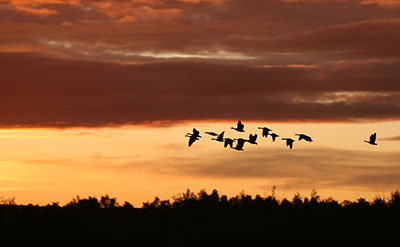
Yet, nature and science demonstrate that adapting to loss can be a win. The evolution of genes has resulted in losses that have helped koalas, birds, aquatic animals and – even humans – thrive.
You may find yourself wishing you had a bird brain once you see what loss can bring you!
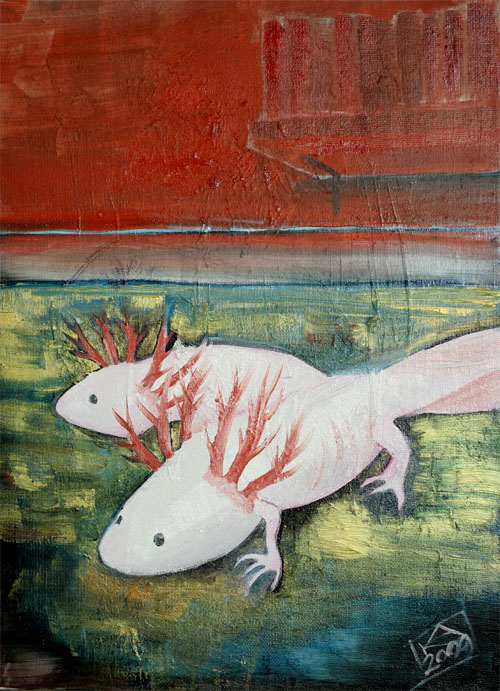
There can be no progress in life without transitions – the ability to move from one state to another. The transitions can be physical, emotional, intellectual, whatever. If not for evolution, Earth would be lifeless. Evolution is all about transitions in genetics...
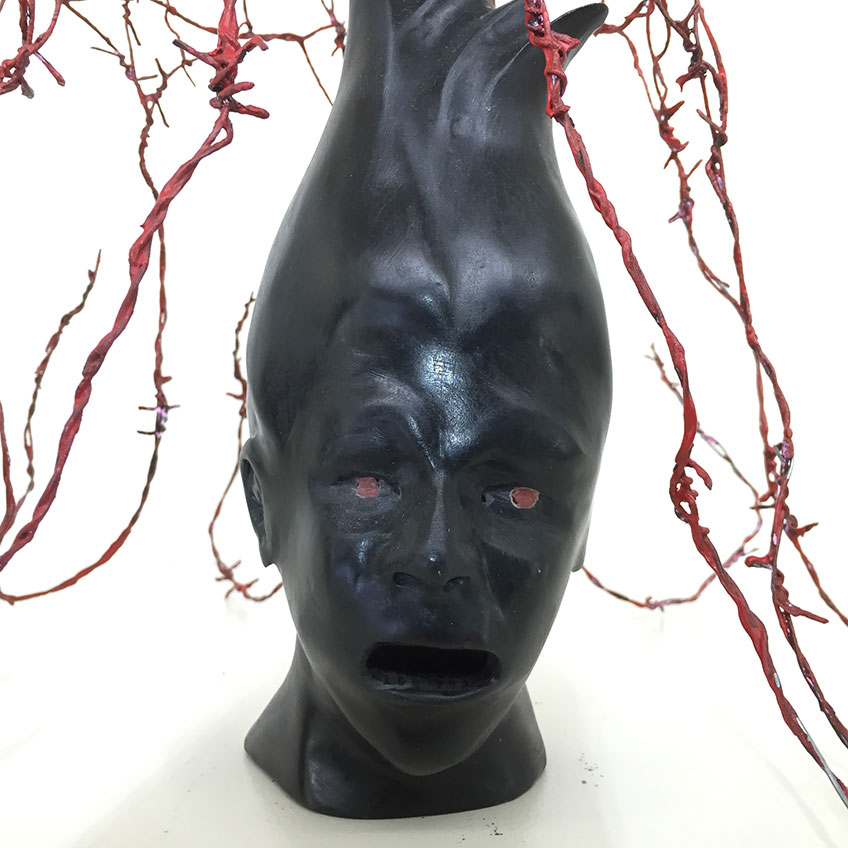
The gallery in this post features strong pieces of art, masterfully done, that make the case that jellyfish proliferation affects all of us and has filtered to art, as important issues always do.